Latest Trends in Virtual Reality That You Should Know About
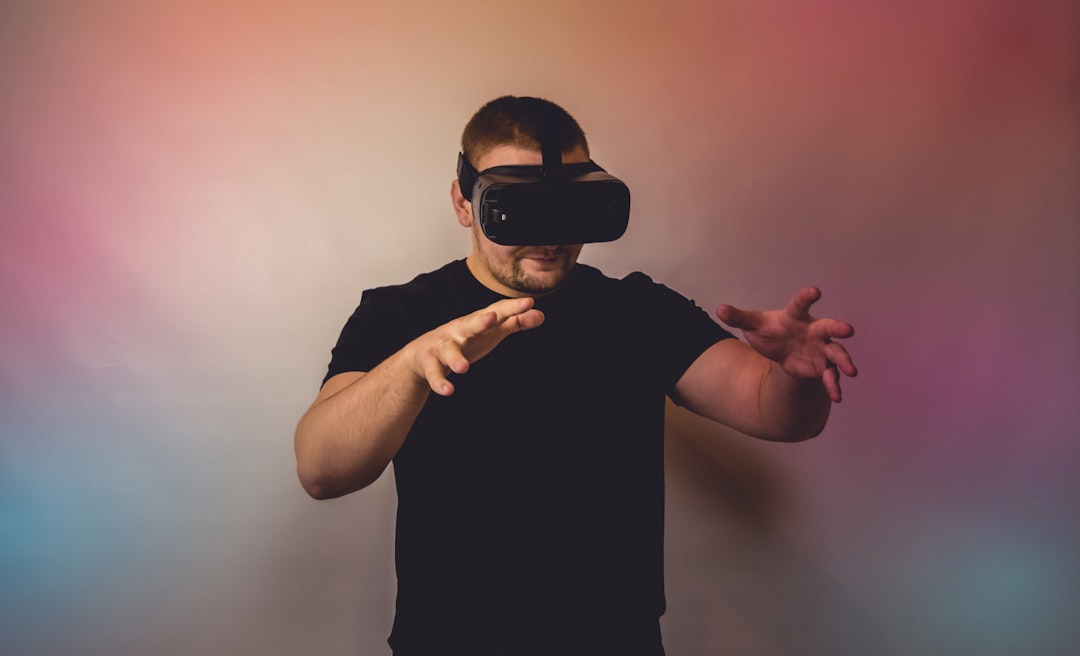
Virtual reality (VR) has rapidly evolved from a niche technology into a mainstream phenomenon, with applications spanning gaming, education, healthcare, and beyond. As businesses and consumers alike recognize the potential of VR, understanding the latest trends is crucial for leveraging its capabilities effectively. This article explores the current landscape of virtual reality, highlighting key trends, user motivations, and the practical outcomes that can be achieved through its integration.
One of the most significant trends in virtual reality is the increasing accessibility of VR technology. According to a recent report, the global VR market is projected to reach $57.55 billion by 2027, growing at a compound annual growth rate (CAGR) of 44.7% from 2020. This surge is driven by advancements in hardware, such as more affordable headsets and improved graphics, making VR experiences more attainable for both consumers and businesses. Key Insight: The rapid growth of the VR market indicates a strong demand for immersive experiences, suggesting that companies investing in VR solutions can gain a competitive edge.
In the realm of gaming, VR continues to dominate, with immersive experiences that transport players into fantastical worlds. However, the application of VR extends far beyond entertainment. In education, institutions are increasingly adopting VR to create engaging learning environments. For instance, medical students can practice surgeries in a risk-free virtual setting, enhancing their skills and confidence before entering real operating rooms. This practical application not only improves educational outcomes but also addresses the growing need for innovative teaching methods in a digital age.
Healthcare is another sector witnessing a VR revolution. Therapists are utilizing VR for exposure therapy, helping patients confront phobias and PTSD in controlled environments. A study found that 93% of patients reported reduced anxiety levels after participating in VR therapy sessions. This statistic underscores the therapeutic potential of VR, positioning it as a valuable tool in mental health treatment.
Moreover, the rise of social VR platforms is reshaping how people connect and collaborate. With the pandemic accelerating the shift towards remote work, businesses are exploring VR for virtual meetings and team-building activities. Platforms like Spatial and AltspaceVR enable users to interact in a shared virtual space, fostering collaboration and creativity. This trend addresses the growing need for effective remote communication solutions, enhancing team dynamics and productivity.
As VR technology continues to advance, the integration of artificial intelligence (AI) is becoming increasingly prevalent. AI enhances VR experiences by personalizing content and improving user interactions. For example, AI-driven avatars can adapt to user behavior, creating more realistic and engaging interactions. This synergy between AI and VR not only enriches user experiences but also opens new avenues for businesses to engage with their audiences.
Cybersecurity remains a critical consideration as VR adoption increases. With more users engaging in virtual environments, the need for robust security measures is paramount. Companies must prioritize cybersecurity solutions to protect user data and ensure safe experiences. This focus on security builds trust with users, encouraging wider adoption of VR technologies.
In conclusion, the latest trends in virtual reality reveal a dynamic landscape filled with opportunities for businesses and consumers alike. From enhancing education and healthcare to fostering collaboration in remote work settings, VR is proving to be a transformative technology. As the market continues to grow, organizations that embrace these trends and invest in VR solutions will not only meet user needs but also position themselves as leaders in their respective industries. By understanding the implications of these trends, businesses can harness the power of virtual reality to drive innovation and achieve practical outcomes.